Noise Detector
Introduction
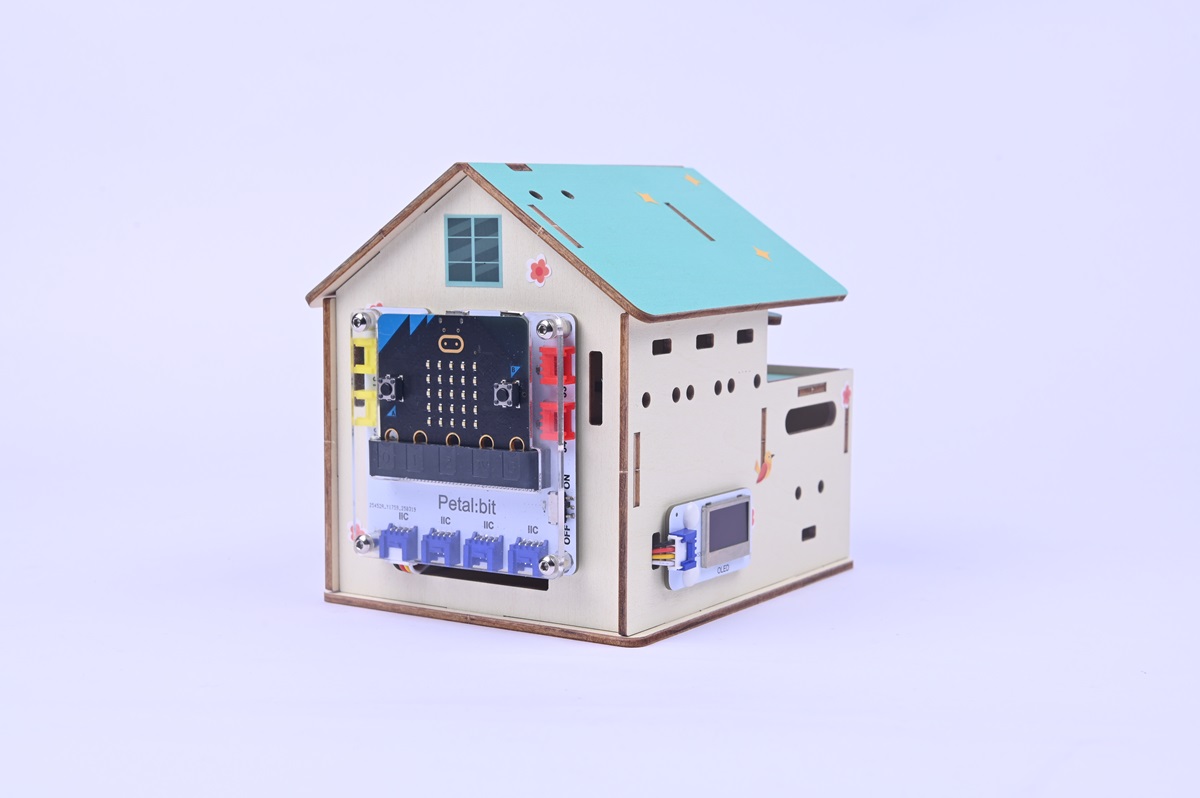
This project guides you to build a simple noise detector using a micro:bit board. By leveraging the onboard microphone module to collect real-time environmental sound signals, the noise level is visualized on an OLED matrix after data processing, enabling intuitive monitoring of ambient noise.
Teaching Objectives
- Understand how the micro:bit detects noise intensity.
- Master basic programming skills for controlling LED lights using the micro:bit.
Teaching Preparations
Before starting the lesson, ensure you have prepared the following materials:
| Image | Name | Quantity | Remarks |
|---|---|---|---|
| Smart Home Explorer Kit | 1 | ||
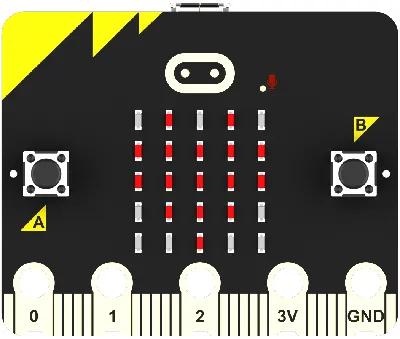 | micro:bit | 1 | Prepare separately |
 | PC | 1 | Prepare separately |
These materials will provide a comprehensive hands-on experience to ensure smooth progress in subsequent operations and learning. If you have prepared the above, we can proceed to the next step.
Course Introduction
Acoustic Environment Mini-Lesson
- Normal conversation: 40–60 dB
- Urban traffic noise: 70–85 dB (exceeding 80 dB may damage hearing)
- Industrial equipment noise: Over 100 dB (requires protective gear)
Interactive Thinking: Observe noise sources around you and reflect on the significance of noise monitoring for environmental protection and health management.
Project Production
Hardware Connection
Connect the OLED display to the I²C interface of the Petal Base Expansion Board.https://makecode.microbit.org/)

Create a new project.

Enter the project name and click Create.

Add Software Libraries
In the makecode programming interface, click Extensions in the Toolbox.

Search for petal in the pop-up window and select the petal software library.

Write the Program
Example program: https://makecode.microbit.org/_XDP81wYyXbf8
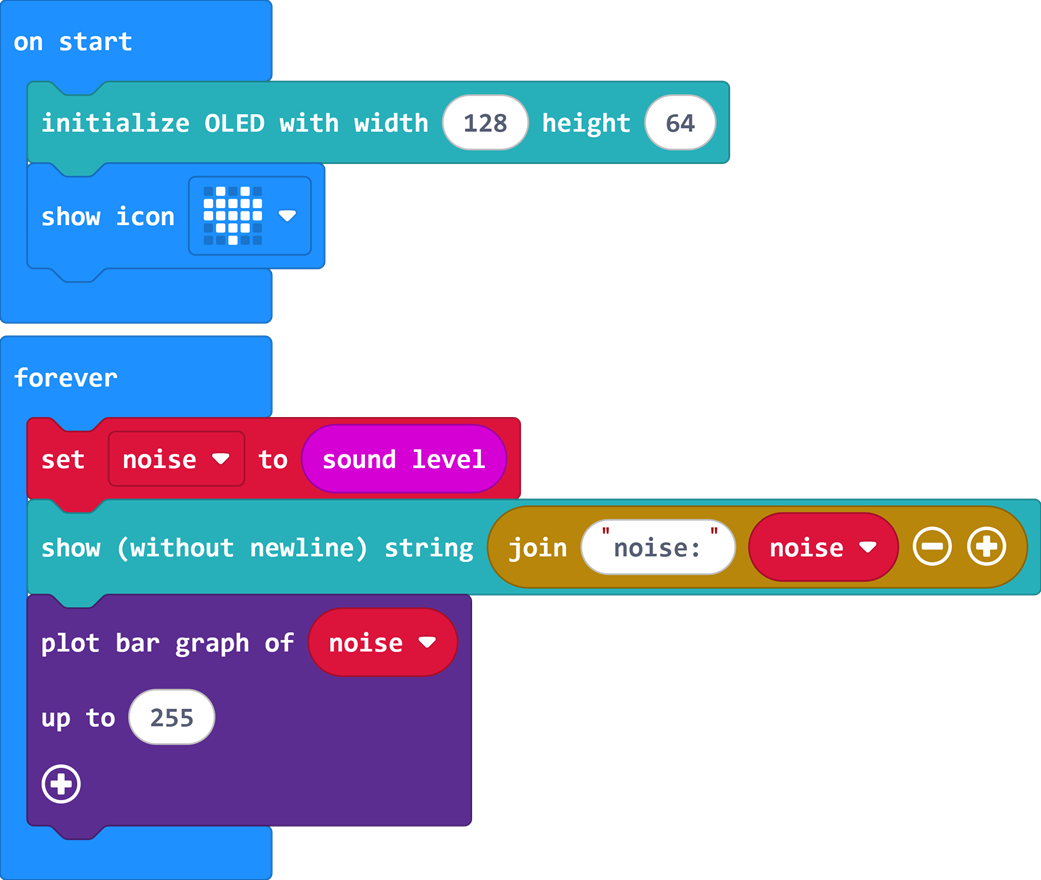
You can also directly download the program via the embedded iframe below:
How to Download the Program to micro:bit?
Connect the PC to the micro:bit V2 using a USB cable.
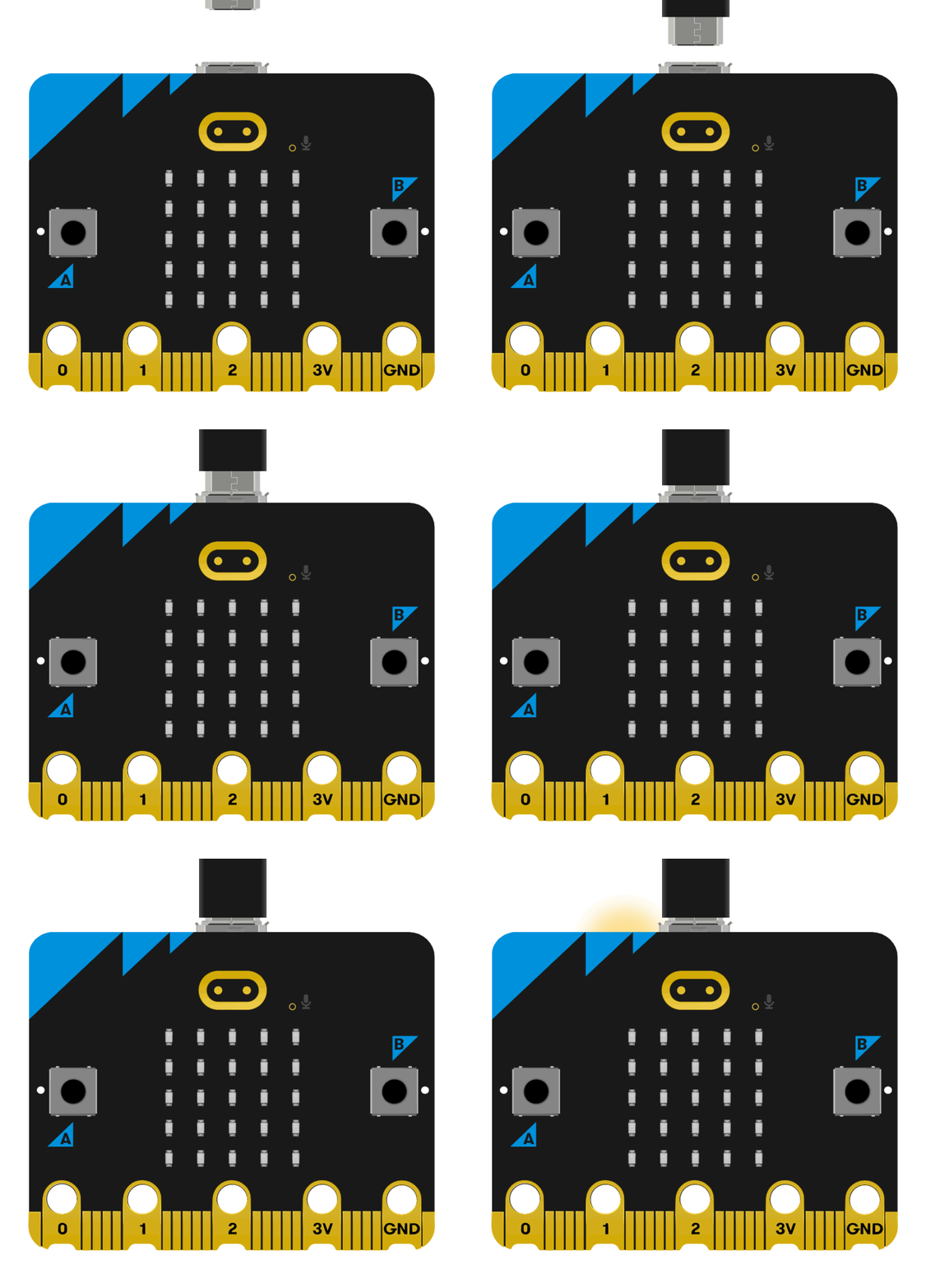
After a successful connection, a drive named MICROBIT will appear on the computer.

Click the icon in the lower-left corner ,and select
Connect Device。

Click 。
。
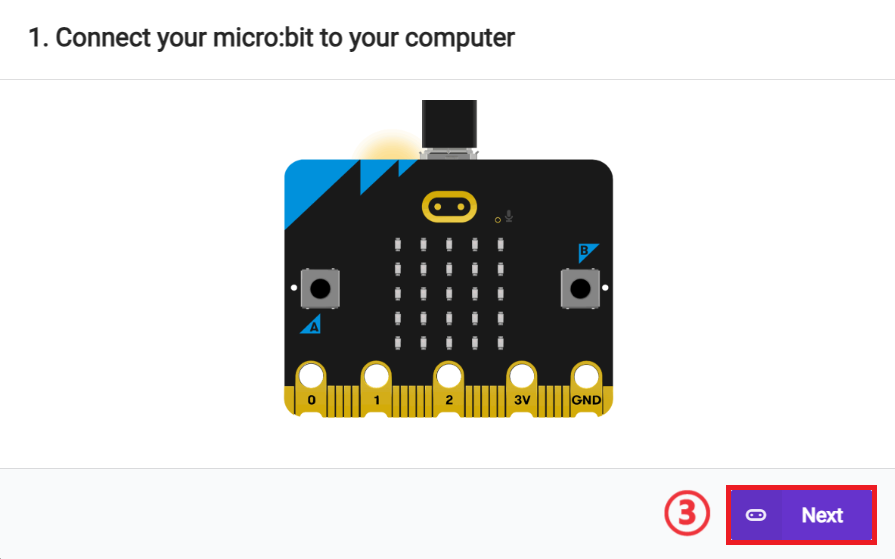
Click 。
。
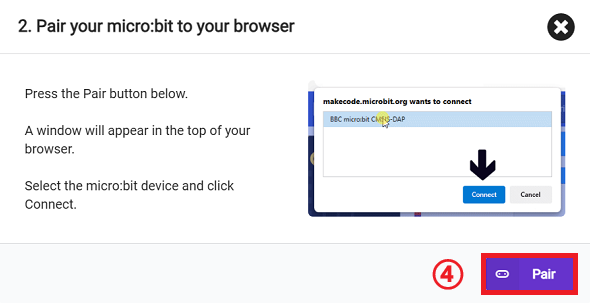
In the pop-up window, select BBC micro:bit CMSIS-DAP and click Connect. The micro:bit is now successfully connected.

Click to download the program.

Results
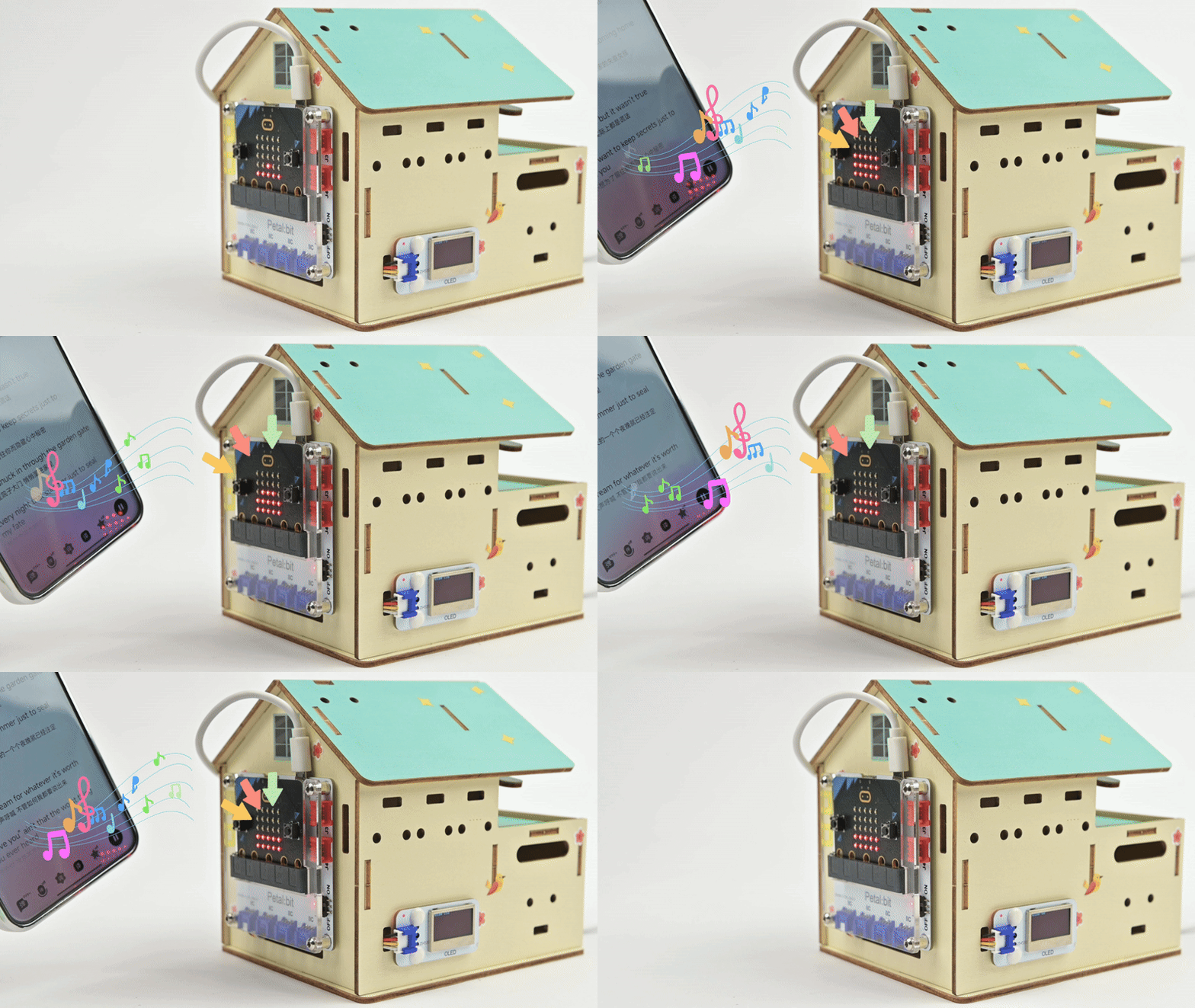
After powering on, the OLED display shows the current noise level, with a bar graph on the LED matrix for visual indication.
Extended Knowledge
Noise, as a "hidden pollutant" in modern society, profoundly impacts human life, health, and the environment. Below is a multi-dimensional analysis of its effects:
I. Health Hazards
- Auditory System Damage
- Hearing Loss: Long-term exposure to noise above 85 dB (e.g., traffic, industrial machinery) damages cochlear hair cells, leading to noise-induced deafness. For example, construction workers and airport ground staff have significantly higher hearing impairment rates than the general population 4.
- Tinnitus: Over 40% of long-term noise-exposed individuals experience persistent tinnitus, affecting sleep and concentration.
- Cardiovascular Impact
- Hypertension: Noise stimulates the sympathetic nervous system, increasing adrenaline secretion and potentially causing hypertension. Studies show residents near busy roads have a 15–20% higher hypertension incidence than those in quiet areas.
- Arrhythmia: Sudden intense noise (e.g., aircraft takeoff) may trigger irregular heartbeats, elevating heart attack risks.
- Neurological and Psychological Effects
- Sleep Disorders: Noise above 30 dB disrupts light sleep, causing insomnia and fragmented sleep. Chronic sleep deprivation may lead to anxiety and depression.
- Reduced Concentration: Office noise exceeding 50 dB decreases work efficiency by 20% and increases error rates by 30%.
- Other Physiological Impacts
- Digestive Issues: Noise may suppress gastrointestinal function via the neuroendocrine system, causing indigestion and ulcers.
- Child Development: High-decibel exposure during fetal development or infancy may impair language and cognitive abilities.
II. Daily Life Interference
- Communication and Social Barriers
- Noise Spiral Effect: Public spaces exceeding 65 dB force louder conversations, leading to social fatigue over time.
- Conference Call Accuracy: Background noise above 55 dB reduces information transfer accuracy by 40%.
- Diminished Living Quality
- Urban Complaints: Construction and traffic noise account for over 60% of urban complaints, severely affecting comfort.
- Sleep Loss: Airport residents lose 1.5 hours of sleep nightly due to nighttime flights.
- Ecological Damage
- Wildlife: Ocean noise (e.g., shipping) disrupts cetacean sonar, hindering feeding and reproduction, even causing strandings.
- Birds: Urban noise forces birds to adjust song frequencies, potentially lowering mating success and territorial defense.
III. Production and Safety Risks
- Industrial Efficiency
- Error Rates: Factory noise above 85 dB increases worker errors by 25% and accident risks.
- Precision Issues: Noise may reduce calibration accuracy of precision instruments, affecting product quality.
- Public Safety Risks
- Emergency Alert Masking: Traffic noise may obscure ambulance/fire truck sirens, delaying rescues.
- Community Conflicts: Construction noise often triggers disputes and collective complaints.
IV. Economic Costs
- Healthcare Expenditures
- WHO Estimates: Europe incurs over €100 billion annually in noise-related health costs, including medical expenses and productivity loss.
- U.S. Studies: Noise pollution causes ~$40 billion in annual losses, primarily from hearing damage compensation and reduced efficiency.
- Urban Planning Costs
- Noise Mitigation: Cities invest heavily in sound barriers and low-noise roads. For example, Tokyo’s highway sound walls cost $20 million per kilometer.
- Property Depreciation: Airport-adjacent properties lose 20–30% value due to noise, impacting local economies.
V. Mitigation Strategies
- Personal Protection
- Use noise-canceling headphones/earplugs (e.g., commuting, construction sites).
- Choose low-noise appliances (e.g., energy-efficient refrigerators, silent fans).
- Urban Planning Optimization
- Implement "acoustic environmental functional zoning" to separate residential and industrial areas.
- Promote green buildings with soundproof materials (e.g., double-glazed windows, acoustic panels).
- Technological Innovation
- Develop low-noise transportation (e.g., electric vehicles, quieter aircraft engines).
- Install vibration-damping and soundproofing equipment in industrial machinery.
- Policy and Regulation
- Standards: China’s Social Ambient Noise Emission Standards set a 40 dB nighttime limit for residential areas.
- Complaint Systems: Strengthen noise monitoring and enforcement for construction and traffic.
Conclusion Noise pollution has become a global environmental concern with far-reaching health, social, and economic impacts. Reducing noise requires individual behavior change, technological innovation, and policy coordination to achieve "quiet cities" and sustainable living. As WHO states: "Quiet is a fundamental human right and a prerequisite for a healthy ecosystem."