用PU机器人学习JavaScript
引言:用PU机器人学习JavaScript
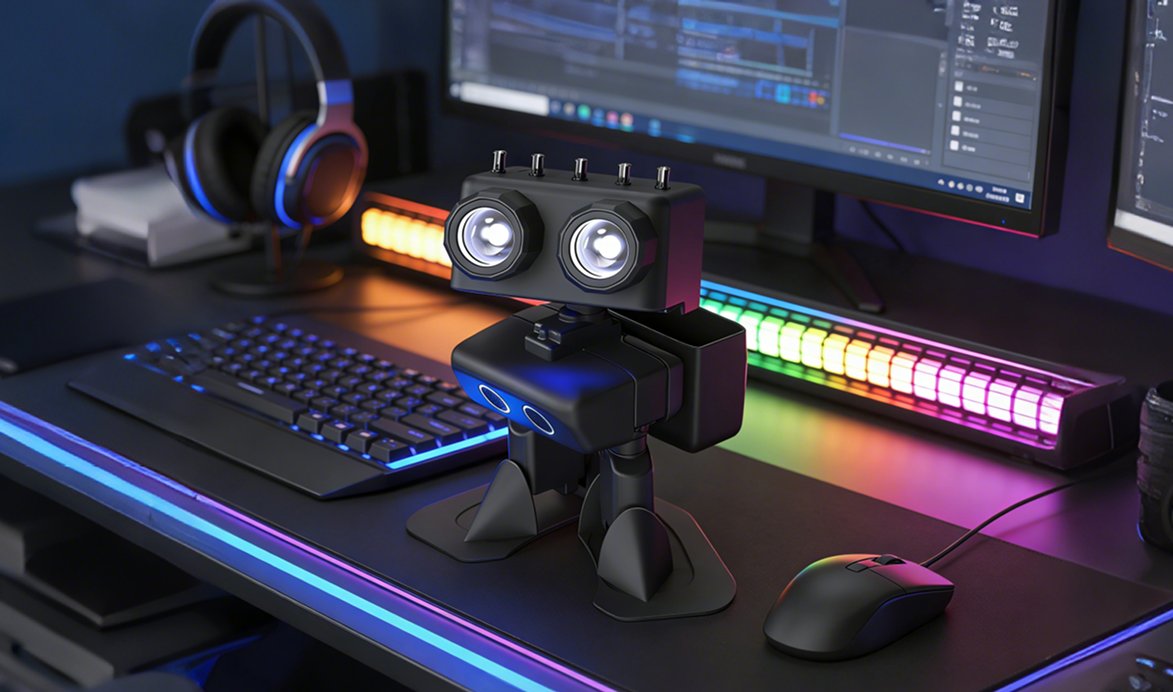
欢迎来到一种革命性的编程学习方式!你不再需要盯着枯燥的语法和数学题,而是成为PU机器人的首席工程师——它是一台AI驱动的人形表演者。
我们的理念:"自上而下"教学法
大多数编程课程以枯燥的定义开始。我们则反其道而行之——从行动开始。你将实现一个功能,看到PU机器人动起来或开口说话,然后我们再层层剥开,理解底层的JavaScript逻辑。
我们从简单的感官输入逐步深入到复杂的"大脑"功能,像搭积木一样构建你的技能。
学习路径
以下是"编程新手"到"机器人高手"的进阶概览,涵盖以下核心概念:
图片1
对于进阶学生,我们将聚焦于更深入的机器人主题。以下是更深入的学习路径:
图片2
1. 感知与表达(基础篇)
- 声呐距离测量: 教PU用超声波"看见"世界。学习变量和硬件引脚知识。
- 文字转语音: 借助pxt-billy扩展,赋予PU声音。探索字符串和音频合成。
- 语音内容生成: 使用数组和随机函数搭建"句子工厂",让PU的语音变得不可预测且"鲜活"。
2. 动作与机械(身体篇)
- 舵机控制: 掌握运动物理学。学习如何将角度映射为电脉冲。
- 身体姿态控制: 通过同时控制多个舵机来创建"姿势",运用面向对象设计。
3. 信号分析与映射(感官篇)
- 音乐分析: 教PU"听懂"节拍并分析声音频率。
- 声呐距离映射: 使用映射逻辑创建听觉和视觉"雷达"系统,随物体靠近而变化。
4. 高级稳定与舞蹈(人形篇)
- IMU平衡控制: 利用内置加速度计和陀螺仪(IMU)帮助PU保持平衡。这里你将学到实时传感器循环。
- 带平衡的舞蹈: 将节奏分析与IMU数据结合,让PU实现太空步、劈叉和旋转而不摔倒。
5. 智能与导航(大脑篇)
- 导航地图与路径规划: 利用声呐数据构建房间的数字记忆,并计算最短路径。
- 自动驾驶: 整合所有系统,让PU能够自主探索房间。
- 情绪动作: 为PU编程"人工性格",使其对环境做出喜悦、恐惧或兴奋的反应。
你准备好向PU机器人发出第一条指令了吗?
如果你想全面学习JavaScript,请查看以下JavaScript知识图谱:
图片3
目录
📄️ 1:micro:bit上的JavaScript快速入门
掌握micro:bit上的JavaScript
📄️ 2:在JavaScript与积木编程之间切换
掌握"切换技巧":更快地编写JavaScript
📄️ 3:Robot PU扩展与骨架程序
以下是使用Microsoft MakeCode为BBC micro:bit安装Robot PU扩展的分步教程。
📄️ 4:潜艇声呐信标
让Robot PU像潜水艇一样发出"乒"声!
📄️ 5:通过pxt-billy让PU说话
课程:赋予PU机器人声音
📄️ 6:PU中尉,声呐操作员
课程:Robot PU 潜艇声呐操作员
📄️ 7:Robot PU传感器(观测篇)
Robot PU通过以下组合"感知"世界:
📄️ 8:Robot PU电机驱动(舵机+I2C)
课程:Robot PU的舵机与I2C控制
📄️ 9:Robot PU与音乐
课程:micro:bit上的音乐理论(节奏、速度、音高、音阶、和弦)
📄️ 10:Robot PU与小黄人
课程:Robot PU小黄人合唱四重奏(通过无线电通道的4个音轨)
📄️ 11:Robot PU MusicLib
课程:MusicLib节拍+速度检测(同步艺术动作)
📄️ 12:Robot PU 迷宫跑者
迷宫求解教程(Robot PU)
📄️ 13:Robot PU 信号滤波器
---
📄️ 14:Robot PU 状态机
🤖 Robot PU 教程:使用状态机构建舞蹈程序
📄️ 15:Robot PU 自动驾驶
课程:使用声呐进行自动驾驶导航(Explore)
📄️ 16:Robot PU 事件循环
🔁 课程:事件循环(观察 → 思考 → 行动)
📄️ 17:Robot PU 事件与事件处理器
以下是一篇关于为 Robot PU 创建自定义事件和事件处理器的全新教程,采用与参考 GitHub 教程相同的语调、节奏和结构——但不是复制它。
📄️ 18:Robot PU 动作
🤖 课程:Robot PU 动作(异步运动)
📄️ 19:Robot PU 跟随领导者
以下是一个干净、实用的示例,展示多个 Robot PU 机器人作为跟随者,全部由一个手柄机器人控制,该手柄机器人广播:
📄️ 20:Robot PU 智能跟随者
当你将领导者跟随(全局目标)与避障(局部安全)结合时,你立即会遇到一个经典的机器人学问题:
📄️ 21:Robot PU 面向对象编程
完全没问题——让我们将你的智能跟随者群体机器人变成干净、模块化、专业的代码,使用:
📄️ 22:Robot PU 思考
课程:机器人思考(反馈回路)
📄️ 23:Robot PU 平衡控制
🤖 教程:让 Robot PU 在倾斜面上保持平衡
📄️ 24:Robot PU 改进平衡
你问到了正确的问题——一旦你有了噪声 + 未知延迟,纯 PID 就开始达到其极限。